


The Impact of Rising Warehouse Rents on Supply Chains & 3PLs

SC Codeworks Team
blog-image

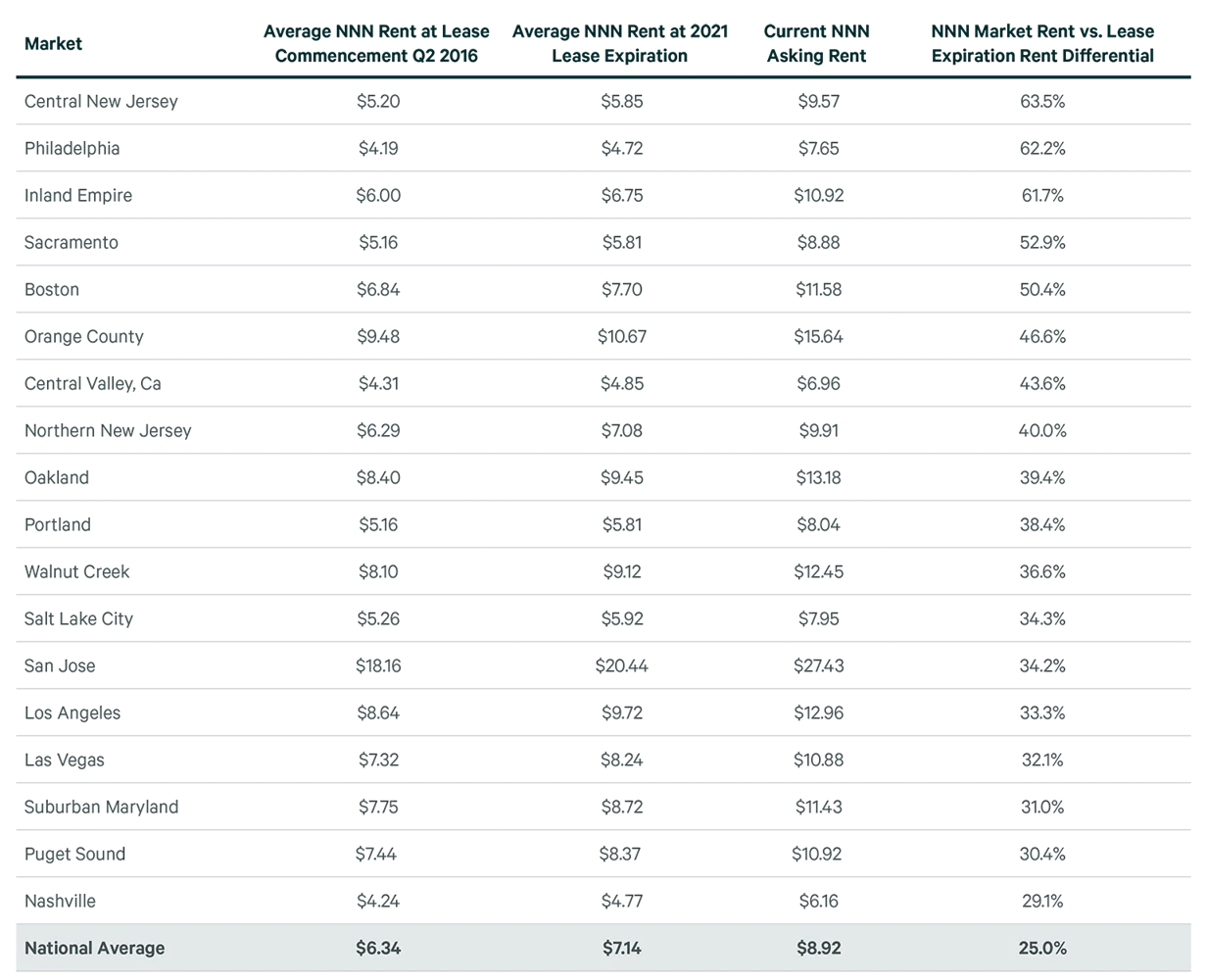
The cost of warehousing in the U.S. has been skyrocketing. According to a report by CBRE Group Inc., rental rates for expiring multi-year warehouse leases have surged. This appears to be on trend with pricing increases in numerous sectors of the economy over the same period, though the exact causes seem to be multi-faceted. Whether or not these increases are completely justifiable is currently under debate, but the fact that they are occurring is not. On average, industrial property rents have increased by 25% compared to rates paid at the end of five-year contracts that expired in 2021. This surge is driven by several factors:

  • E-Commerce Boom: The outbreak of COVID-19 transformed consumer behavior, leading to a significant rise in e-commerce sales. Real estate firms saw a surge in demand for industrial space as retailers and manufacturers expanded their e-commerce offerings. For every $1 billion (about $3 per person in the US) in incremental e-commerce sales, 1.25 million square feet (about half the area of The Vatican) of warehouse space is needed.
  • Low Vacancy Rates: During 2021, U.S. national vacancy rates hit their lowest levels since 2002. Real estate firms are confident in demanding higher rates when renewing contracts with existing tenants.

Direct Financial Impact on 3PLs

Third-party logistics providers (3PLs) have doubled their leasing volume between January and July 2021. As warehousing costs rise, most of these costs are being passed on to consumers according to numerous sources. Transportation costs, which can account for 50-70% of a company's total logistics expenditure, are of a significant concern. To mitigate the negative financial impact of this current situation; many companies are expanding their domestic warehouse footprint to reduce long-distance shipping, moving from a single or centralized warehousing model to using multiple more broadly distributed local warehouses.

About Image

How a Warehouse Management Solution (WMS) Can Help You Address :

The right Warehouse Management Solution (WMS) can significantly improve your 3PL or Logistics business’ profitability with a proven ROI based on decades of experience

  • E-Commerce Boom: The outbreak of COVID-19 transformed consumer behavior, leading to a significant rise in e-commerce sales. Real estate firms saw a surge in demand for industrial space as retailers and manufacturers expanded their e-commerce offerings. For every $1 billion (about $3 per person in the US) in incremental e-commerce sales, 1.25 million square feet (about half the area of The Vatican) of warehouse space is needed.
  • Low Vacancy Rates: During 2021, U.S. national vacancy rates hit their lowest levels since 2002. Real estate firms are confident in demanding higher rates when renewing contracts with existing tenants.
About Image

Here's how:

  • E-Commerce Boom: The outbreak of COVID-19 transformed consumer behavior, leading to a significant rise in e-commerce sales. Real estate firms saw a surge in demand for industrial space as retailers and manufacturers expanded their e-commerce offerings. For every $1 billion (about $3 per person in the US) in incremental e-commerce sales, 1.25 million square feet (about half the area of The Vatican) of warehouse space is needed.
  • Low Vacancy Rates: During 2021, U.S. national vacancy rates hit their lowest levels since 2002. Real estate firms are confident in demanding higher rates when renewing contracts with existing tenants.

While the use of an affordably priced, customizable, and scalable WMS, fully supported by a dedicated implementation team, cannot halt the current supply/ demand and inflation fueled trends of rising commercial real estate prices, rising transportation costs, labor shortage fluctuations and sporadic unforeseeable supply chain disruptions; it can help offset some of the negative impact on profitability.

According to some reports, companies that utilize a WMS experience more than 25% reduction in time spent on warehouse operations. This efficiency translates to fewer errors, as automated systems can handle repetitive tasks with greater accuracy than manual processes. Additionally, a study by PTS Corp highlights that warehouses using a WMS have seen a 50% reduction in picking errors, which directly impacts customer satisfaction and reduces costly returns. These improvements not only streamline operations but also lead to substantial cost savings, contributing to higher profit margins.

Moreover, the financial benefits of a WMS extend beyond error reduction. Industry reports indicate that some companies that have adopted a WMS report up to a 1.67x increase in profitability growth compared to those that do not use such systems. This is primarily attributed to the enhanced speed and accuracy in order processing, which allows businesses to handle larger volumes of orders efficiently. For instance, warehouses that can process orders in under 30 minutes are significantly more profitable, as they can meet higher customer demands and reduce labor costs.

By optimizing inventory management and reducing waste, WMS also helps in maintaining lean operations, further driving profitability. These statistics clearly demonstrate that investing in a WMS is a strategic move for any warehouse looking to improve its bottom line.

Conclusion

While you may not be able to alter the current “financial winds of change” in the real estate or other related sectors of your logistics or 3PL business, you can “adjust your sails” in the day-to-day functioning of your business by leveraging current and ever improving technologies and the knowledge base of experts.

Relevant Industry Reports

For deeper insights, consider industry research reports from sources like IBISWorld1 and Statista2. These reports provide data, trends, and forecasts across various sectors.

References below if you'd like to keep reading about this topic:

Frequently asked questions

Why have warehouse rents risen so quickly?

Warehouse rents have risen because e-commerce growth has driven demand for industrial space while vacancy rates have hit historically low levels. Lease renewals in many markets have come in well above the rates set five years earlier.

How do rising warehouse rents affect 3PLs?

3PLs typically operate on thin margins, so rent increases either compress profit or get passed on to customers. Most 3PLs use a combination of selective pass-through and efficiency improvements to absorb the impact.

Should a shipper move to a distributed warehouse model?

A distributed model can reduce long-haul transportation cost and improve service levels for e-commerce orders. The trade-off is more leases, more inventory, and more system complexity, which usually requires a stronger WMS to manage.

How can a WMS offset higher rent?

A WMS can improve cube utilization through better slotting, increase throughput per labor hour, reduce errors that trigger returns, and shorten dwell time. Each of these effectively reduces the cost-per-unit-shipped without renegotiating rent.

Where can I read more about warehouse real estate trends?

CBRE, Cushman & Wakefield, JLL, and Prologis publish quarterly industrial market reports that track rent, vacancy, and absorption by region. Trade publications such as Supply Chain Dive and FreightWaves cover 3PL-specific impacts.